Six Months In and Going Nowhere: The Real Reason Your Stream Hit a Wall
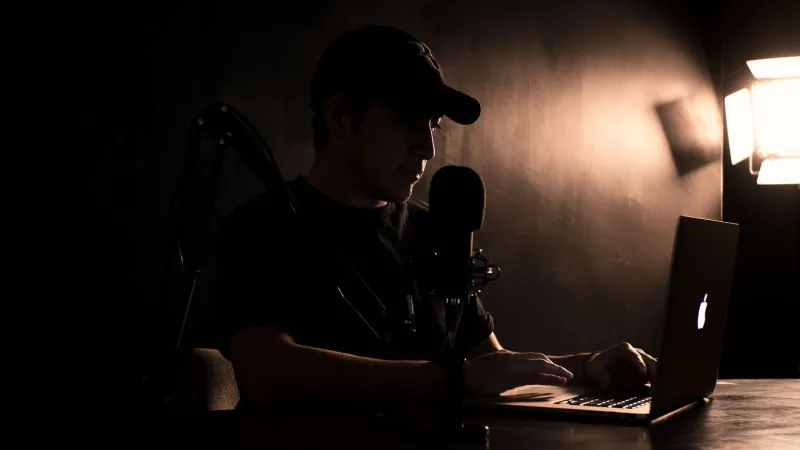
You've been grinding. You've been consistent. You've got your lighting dialed in, your audio is clean, and you're showing up on schedule like clockwork. But somewhere around month five or six, something weird happens: the numbers just... stop moving.
New followers trickle in at a fraction of the pace they did in the early days. Your concurrent viewer count hovers in the same range week after week. Super chats and subscriptions plateau. You start wondering if you've somehow already reached your ceiling — if this is just it.
Here's the thing: you haven't maxed out your audience. Not even close. What you've hit is one of the most predictable and least-talked-about phenomena in live streaming. We're calling it the Six-Month Wall, and after talking to more than 50 creators who eventually broke through it, we've got a pretty clear picture of what causes it — and what actually works to push past it.
Why Six Months? The Psychology of Early Momentum
When you launch a stream, you've got something working in your favor that you'll never have again: novelty. Your existing social circle is curious. Algorithms occasionally reward fresh accounts. You're hungry, you're experimenting, and that energy is contagious.
But by month six, that honeymoon phase is over. Your personal network has already decided whether they're watching you or not. The algorithm has categorized your content and settled into a pattern. And crucially, you've settled into a pattern too — one that might be working against you.
Psychologists call this the "competence trap." Once you get good enough at something to feel comfortable, you naturally stop taking the risks that generated growth in the first place. You found a format that works, so you repeat it. You found a community tone that feels safe, so you maintain it. Comfort is the enemy of momentum.
The Technical Side Nobody Wants to Hear
Beyond the psychological stuff, there are real platform mechanics at play. Most major streaming platforms — Twitch, YouTube Live, Kick — use engagement signals to determine how aggressively they surface your content to new viewers. In your first few months, even modest engagement looks like growth. The algorithm sees a positive trajectory and rewards it.
By month six, your engagement rate has likely normalized. You're getting roughly the same number of chatters, the same clip shares, the same watch time. From the algorithm's perspective, nothing is accelerating — so it has no reason to push your content to new audiences. You're not declining, but you're not growing either. You've become predictable in the worst possible way.
Of the 50+ streamers we spoke with, nearly 80% said they hadn't changed their stream setup or format in the two months leading up to their plateau. That's not a coincidence.
The Counterintuitive Shifts That Actually Work
So what did the creators who broke through actually do differently? The answers might surprise you.
They Deliberately Broke Their Own Format
Not permanently, but intentionally. One variety streamer with a dedicated RPG audience started hosting monthly "chaos streams" where viewers voted on every major decision in real time. Engagement spiked. Clips went viral. New viewers found the channel through the chaos content and stayed for the regular programming.
The takeaway isn't "do chaos streams." It's that pattern interruption signals to both your audience and the algorithm that something new is happening. It creates events, not just episodes.
They Shifted From Broadcasting to Collaborating
The creators who scaled past the plateau almost universally talked about moving away from a one-to-many model and leaning hard into community co-creation. That meant things like: letting regulars help name characters in games, sourcing podcast episode topics directly from Discord polls, or bringing loyal viewers on screen as guests.
This isn't just feel-good community management. It has a measurable effect. When your audience feels like participants rather than spectators, they evangelize. They bring friends. They clip and share because they're proud of something they helped create.
They Got Ruthless About Off-Platform Distribution
Here's a stat that should rattle you: the majority of streamers who broke through their plateau credited off-platform content as the primary driver of new discovery. Not better stream quality. Not more frequent streams. Shorts, TikToks, highlight reels, and podcast-style audio clips pulled from their streams.
Your live stream is the mothership, but it can't do discovery alone. The creators who scaled treated every stream as a content mine — raw material for a week's worth of short-form clips that could reach audiences who would never stumble onto a live stream on their own.
They Stopped Optimizing for Viewers and Started Optimizing for Superfans
This one's subtle but powerful. Plateau-era creators tend to chase broad appeal — they soften their takes, they avoid niche topics, they try to be everything to everyone. The streamers who broke through did the opposite. They doubled down on specificity. They got weirder, more opinionated, more themselves.
Why does this work? Because superfans — the people who subscribe, donate, share your content, and recruit their friends — are almost never casual viewers first. They become superfans because something about your content felt uniquely made for them. Broad content doesn't create that feeling. Specific, authentic content does.
What the Data Actually Shows
Among the 50+ creators we surveyed, the ones who broke through their plateau had a few things in common:
- 73% introduced a new recurring segment or content format within 60 days of their growth restart
- 81% increased their off-platform short-form output by at least 3x during their breakout period
- 67% credited a collaboration with another creator — even a small one — as a catalyst for new audience discovery
- Only 22% said platform algorithm changes were a significant factor in their growth restart
That last number is the most important one. Creators love to blame the algorithm when growth stalls, but the data just doesn't support it as the primary lever. The platform isn't the problem. The strategy is.
The Mindset Shift That Ties It All Together
Every creator we spoke with who successfully broke through the plateau described a similar mental shift. They stopped thinking of themselves as streamers trying to grow a channel, and started thinking of themselves as media brands trying to build an audience ecosystem.
That's not just semantics. It changes how you approach every decision — from what you stream to how you interact with your community to how you invest your time between broadcasts. A streamer optimizes for the next stream. A media brand optimizes for the next six months.
If you're sitting at month six staring at flat numbers, take a breath. You haven't failed. You've just graduated from the easy part. The creators who figure out what comes next are the ones you'll be watching from the outside in another year, wondering how they scaled so fast.
Now you know how.