No Paywall, No Problem: How Top Creators Build Audiences That Actually Stick Around

Everybody wants to talk about memberships, Patreon tiers, and subscriber-only Discord servers. The prevailing wisdom in the creator economy is that you need to lock something behind a wall to generate loyalty — that if people can get it for free, they won't value it enough to stay.
But spend some time looking at creators who've actually built durable, returning audiences, and a different picture emerges. Some of the stickiest fanbases in podcasting and streaming were built almost entirely on free content, smart email strategy, and a few psychological levers that most creators aren't even aware they're pulling.
So what's actually going on? And how do you replicate it?
The Loyalty Paradox: Free Content That Creates Obligation
Human psychology has a concept called reciprocity — the deeply ingrained social instinct to return a favor. When someone gives you something genuinely valuable at no cost, you feel a pull toward giving something back. Marketers have exploited this for decades, but creators who do it well aren't being manipulative. They're being genuinely generous, and the loyalty that follows is real.
The creators who build sticky audiences without paywalls tend to share more than their peers. More behind-the-scenes context, more honest takes, more production quality than the format technically requires. They consistently over-deliver on the implicit promise of the content, and audiences respond by showing up again and again — not because they have to, but because they want to.
This is the first plank of the no-paywall loyalty strategy: make your free content so good that walking away feels like a loss.
Email Is the Unsexy Infrastructure Nobody Talks About Enough
Algorithms change. Platforms pivot. Reach gets throttled. But an email list is yours — no platform can take it away, suppress it, or decide your audience doesn't need to hear from you this week.
Creators who build lasting audiences almost universally have a direct communication channel to their fans that doesn't route through a third-party algorithm. Email is the most reliable version of that channel, and it's dramatically underused by streamers and podcasters who assume their platform following is enough.
The key is what you put in those emails. Not promotional blasts. Not "new episode out now" announcements that feel like push notifications. The creators who get strong open rates and click-throughs treat their email list like a private conversation — they share things that don't appear anywhere else, offer early access to content, or give subscribers a peek behind the curtain of how the show or stream gets made.
That sense of access — even when it's free — creates a different relationship than passive viewership. Subscribers feel like insiders. And insiders don't churn.
Community That Doesn't Require a Credit Card
There's a version of community building that's essentially a paywall in disguise: join the Discord for $5/month, access the Slack for members only. That's a legitimate model, but it's not the only one.
Some creators have built thriving free communities that function as loyalty engines precisely because they're not transactional. A well-run free Discord or Reddit community where the creator actually shows up, responds, and treats members like contributors rather than consumers creates a sense of ownership that money can't buy.
The word "ownership" is important here. Research on audience psychology consistently shows that people who feel like they've contributed to something — even in small ways — feel more invested in its success. When a creator asks their community for input on a topic, responds to a listener's suggestion on air, or credits a fan for an idea, they're activating that sense of co-creation. The audience stops being a passive consumer and starts feeling like a stakeholder.
You don't need to charge for that. You just need to be intentional about creating the conditions for it.
Production Quality as a Trust Signal
There's a floor of production quality below which audiences interpret sloppiness as disrespect — like a restaurant with sticky menus. Above that floor, production quality becomes a trust signal: it tells your audience that you take this seriously, that you're not going anywhere, and that their time investment is safe.
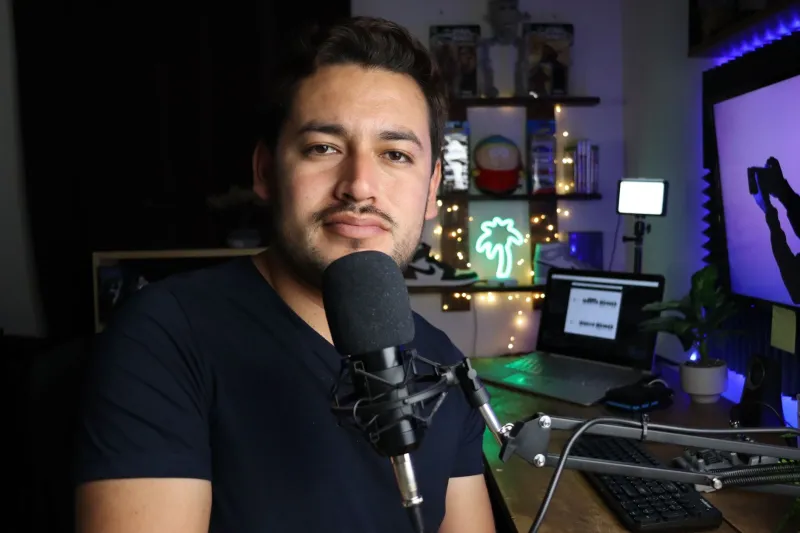
Creators who build loyal free audiences tend to invest in quality at the level that says "this is real" without necessarily going full broadcast-studio. Clean audio, consistent visual framing, intentional pacing — these things communicate professionalism and reliability, which are the foundations of trust.
Trust, in turn, is what keeps audiences coming back when life gets busy and their attention is being pulled in seventeen other directions. They know what they're going to get from you. That predictability is underrated.
The Consistency Flywheel
Loyal audiences are built on expectation. When people know you show up every Tuesday at 8pm, or drop a new episode every Thursday morning, they build you into their routine. You stop being something they have to remember to check and become something they anticipate.
This sounds simple, but it's brutally hard to maintain — which is exactly why it works as a loyalty differentiator. Most creators are inconsistent. Life happens, motivation dips, production gets complicated. The creators who hold the line on their schedule, even when it's hard, signal something important: I'm reliable. You can count on me.
Audiences reward reliability with loyalty. Not because they've consciously decided to, but because reliability is rare and humans naturally gravitate toward things they can depend on.
What Real Case Studies Look Like
Look at the podcasting space. Shows like "My Favorite Murder" built massive, passionate communities through consistent free content, genuine host personality, and a community (the "Murderinos") that fans felt ownership over because they named it themselves. No paywall required for the core loyalty.
In streaming, creators like Hasan Piker built enormous returning audiences through consistent scheduling, genuine political engagement with their community, and a format that made viewers feel like they were part of an ongoing conversation — not just watching a performance.
The common thread isn't a monetization model. It's an audience relationship built on trust, consistency, and the feeling that showing up matters.
Building Your Moat Without the Gate
If you're trying to build a sticky audience without relying on subscription gatekeeping, here's where to start:
- Launch an email list today, even if it's just a simple newsletter. Give subscribers something they can't get from your public feed.
- Show up in your own community. Don't just moderate — participate. Be a person, not a brand.
- Over-invest in free content quality. Let your free stuff be so good that paid tiers feel like a bonus, not the real product.
- Hold your schedule like it's a contract. Consistency is the compound interest of audience building.
- Create co-ownership moments. Ask for input. Credit contributors. Make your audience feel like they helped build this.
The paywall is a tool, not a strategy. The creators who last aren't the ones who figured out the best gate — they're the ones who built something worth staying for.