Calculated Vulnerability: The Real Secret Behind Your Favorite Creator's 'Authentic' Moments
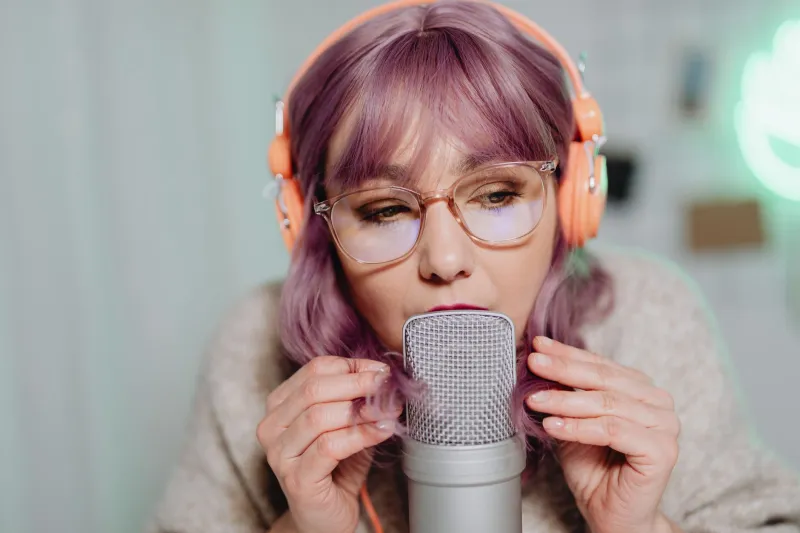
Opinion: The 'just be yourself' era of creator advice is over. Not because authenticity doesn't matter—it absolutely does—but because the version of authenticity being sold to new creators is dangerously naive, and it's setting people up for burnout, boundary violations, and audiences that feel entitled to every corner of your life.
The creators you think are being completely unfiltered? They're not. And that's actually a good thing.
The Authenticity Myth We Need to Retire
Somewhere around 2018, the creator economy collectively decided that the path to audience connection was radical transparency. Share your mental health struggles. Show your messy apartment. Cry on camera. Talk about your relationship problems. The more raw, the more real—and the more real, the more relatable.
And it worked. For a while. For some people.
But watch what happened to the creators who took that advice at face value without any framework around it. They burned out from the emotional labor of constant exposure. They attracted audiences that felt owed access to their private lives. They shared things in vulnerable moments that they later deeply regretted. And when they tried to pull back—to protect some part of themselves—those same audiences accused them of being fake.
The 'just be yourself' model contains a fatal flaw: it assumes your audience wants you, when what they actually want is a version of you that serves their emotional needs. That's not cynical. It's just an honest description of how parasocial relationships work.
What Strategic Vulnerability Actually Looks Like
Let's be clear about what we're not saying here. Strategic vulnerability isn't about manufacturing fake emotional moments or deceiving your audience. The goal isn't manipulation—it's intentionality. There's a meaningful difference between those two things.
Think about how a skilled novelist approaches a character's emotional arc. They don't just dump every feeling onto the page randomly. They choose which moments to show, which details to include, which emotions to name explicitly and which to leave implied. The result feels more real than an unfiltered stream of consciousness would, because it's shaped for the reader's experience.
Top creators do exactly this. They identify moments of genuine vulnerability—real struggles, real doubts, real failures—and they make intentional choices about how, when, and in what context to share those moments. They're not inventing emotion. They're curating access to it.
The podcast host who shares that she almost quit six months ago? That moment is real. But she chose to share it after she'd processed it, not in the middle of the crisis. She chose the specific details that serve the story she wants to tell about perseverance. She decided what the takeaway would be before she hit record.
That's not fake. That's craft.
Why Audiences Can Smell Performative Authenticity
Here's the uncomfortable part: audiences are actually quite good at detecting when vulnerability is being performed for effect rather than shared with intention. The parasocial bond that makes streaming and podcasting so powerful also makes audiences unusually attuned to emotional incongruence.
When a creator cries on camera but the lighting is suspiciously perfect, or when the breakdown conveniently comes right before a merch drop, or when every vulnerable moment is followed by an affiliate link—audiences notice. They might not be able to articulate what feels off, but the trust erodes.
The irony is that the creators who lean hardest into performative vulnerability often end up feeling less authentic than the ones who share less but share it more deliberately.
A Framework for Getting This Right
So how do you practice strategic vulnerability without crossing into performance? A few principles that actually work:
The processing lag. Give yourself time between experiencing something difficult and sharing it publicly. Sharing in real-time feels raw and immediate, but it often produces content you'll regret. Sharing after you've processed it lets you shape the narrative without losing the emotional truth.
The purpose test. Before sharing something personal, ask: what does this give my audience? Not in a transactional way, but in a genuine service-to-audience way. If the answer is 'validation and connection,' that's a good sign. If the answer is mostly 'it makes me feel seen,' consider whether your audience is the right venue for that need.
The boundary inventory. Decide in advance—not in the moment—what's off limits. Relationships, family members, medical details, financial specifics—whatever you're not willing to defend publicly when someone inevitably screenshots it out of context. Having this boundary set before you're emotionally activated means you won't blow past it when you're feeling raw.
The reveal structure. When you do share something vulnerable, give it a shape. Context, the moment itself, and what it means going forward. This isn't spin—it's storytelling. It's also what separates a vulnerable moment that builds connection from one that just makes your audience uncomfortable and unsure how to respond.
The creators winning right now aren't the ones sharing the most. They're the ones sharing the most purposefully. That's the distinction worth building your content strategy around.